
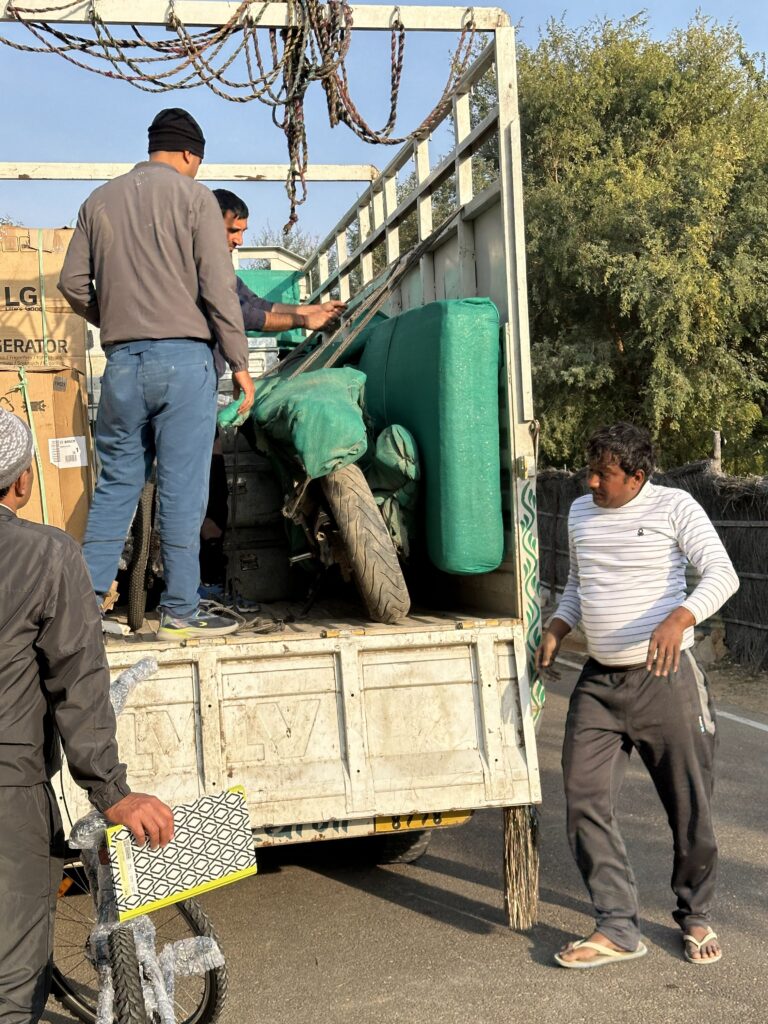
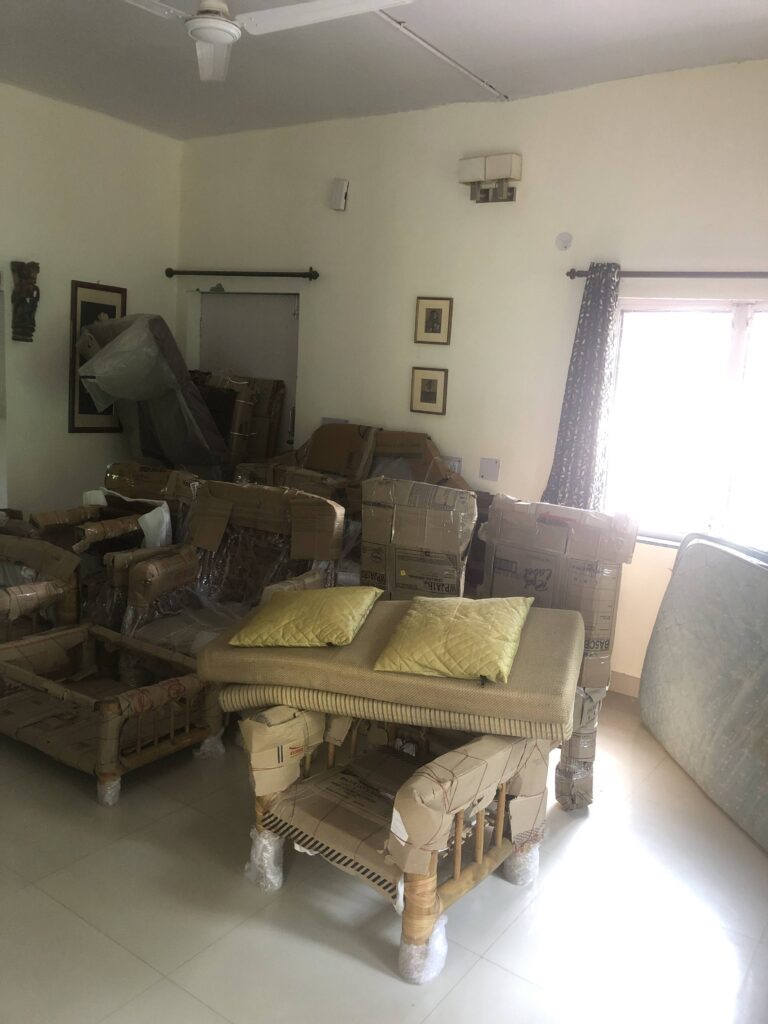
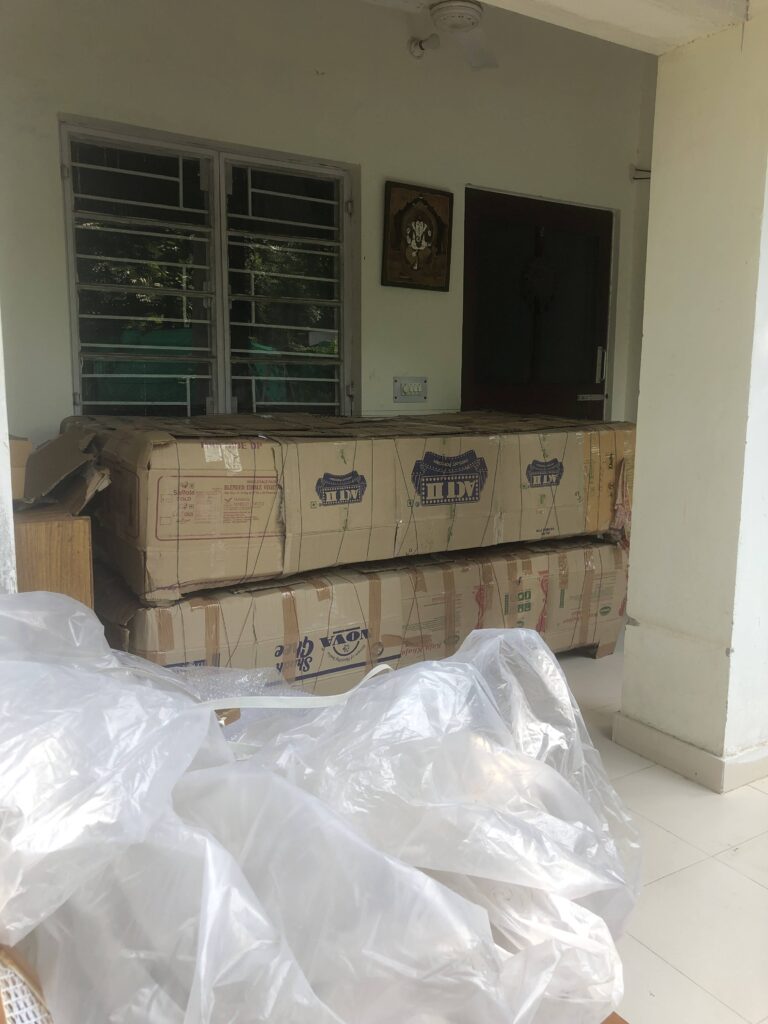
I’ve spent most of my life surrounded by boxes.
Boxes that carried memories, crockery, and the scent of freshly folded curtains that had barely settled before being packed again. My father served in the Indian Army, and with each new posting came the quiet understanding that “home” was a fluid word… never a pin on a map, but a feeling we carried within ourselves.
One of my earliest memories is from 2006, when we moved from Secunderabad to Dimapur. It wasn’t a quick weekend shift; it was an odyssey. Trucks full of everything we owned, the uncertainty of when (or if) they would arrive, and the strange silence of an empty house that echoed with our footsteps. In those days, there were no trackers or apps… only trust and waiting.
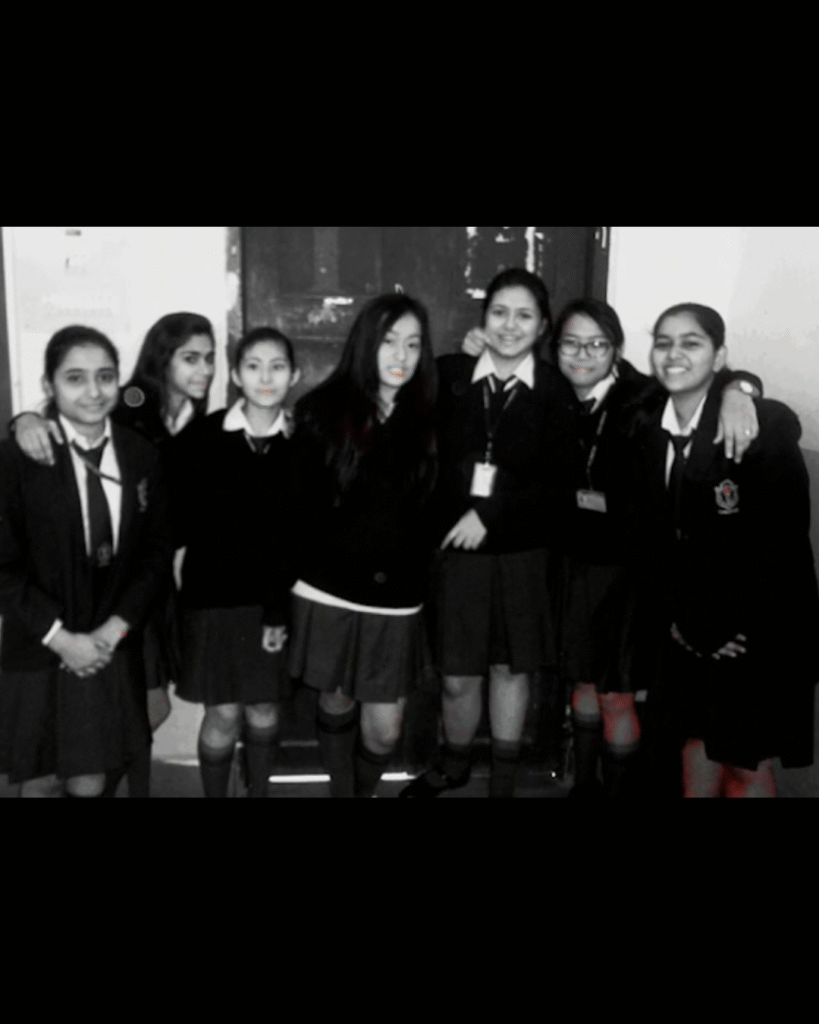
By the time I was old enough to understand permanence, it had already become a stranger. I never had the same friends for more than two years. Goodbyes were routine… a familiar ache tucked neatly between report cards and farewell notes. Even today, when people talk about childhood friends who’ve stayed for decades, I feel an almost tender envy. But then, I remember I have fragments from every city, every school, every patch of life. Dimapur. Jalandhar. Bareilly. Pune. And so many more, each one a mosaic piece that makes me who I am.
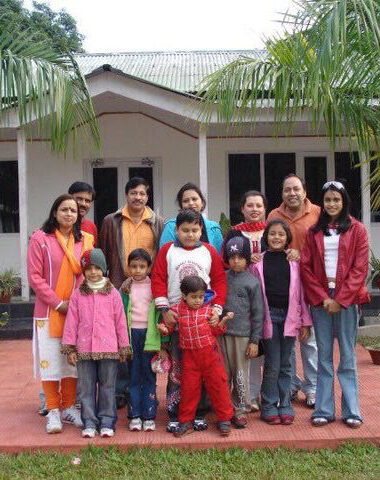
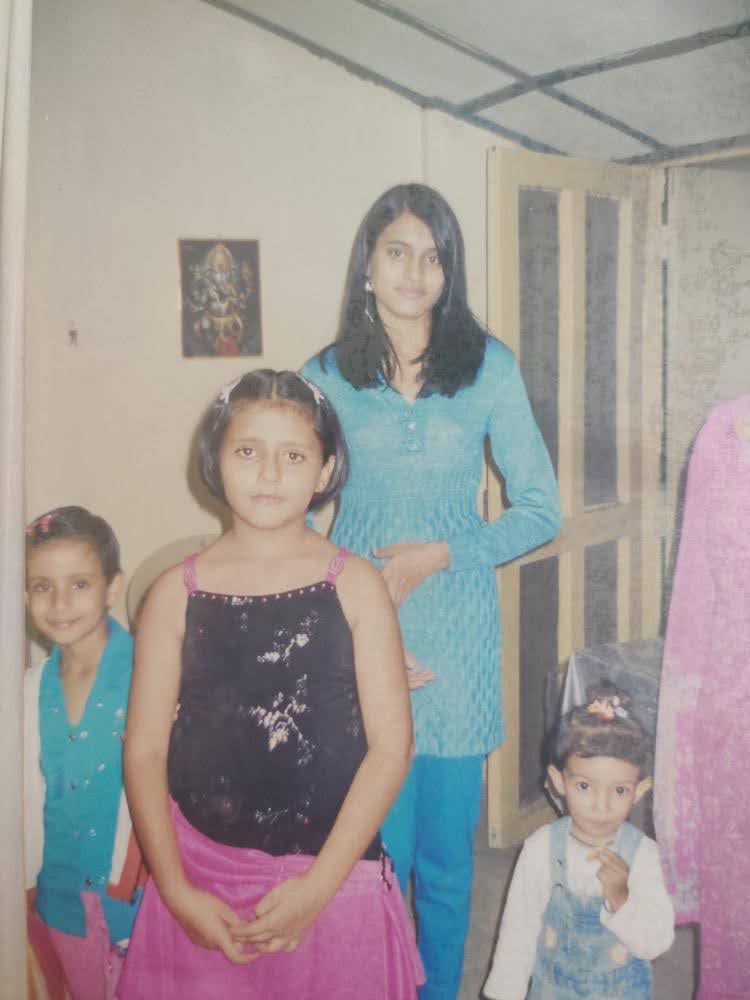
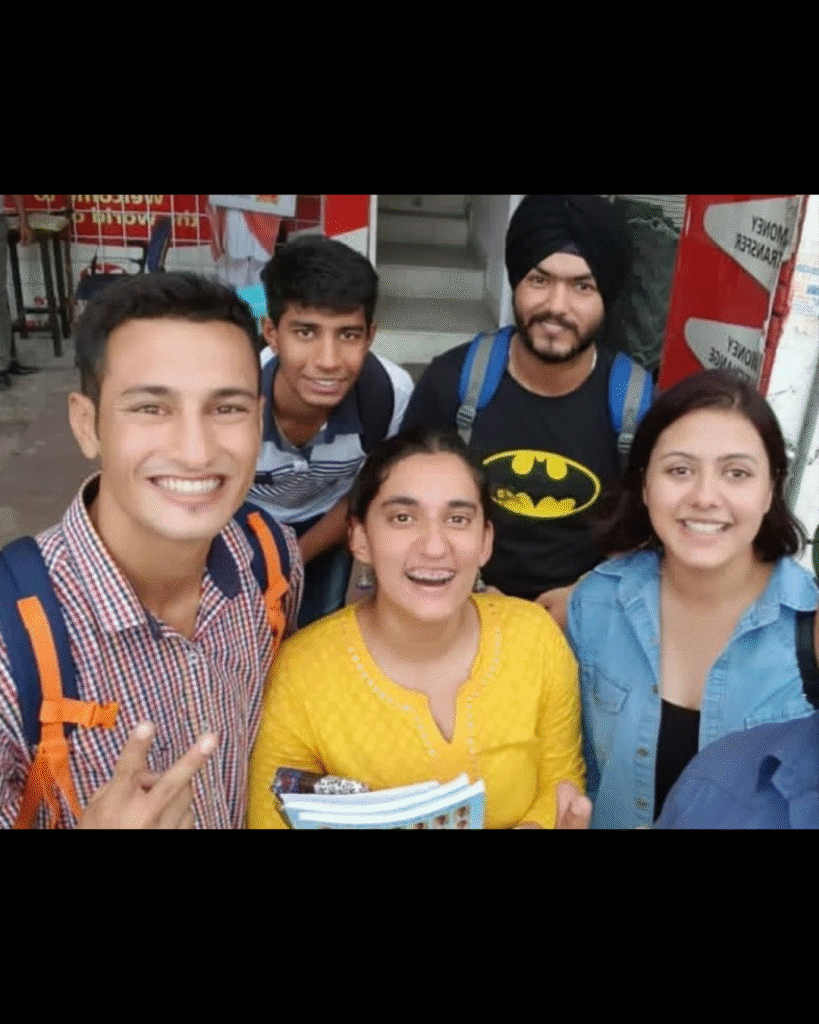
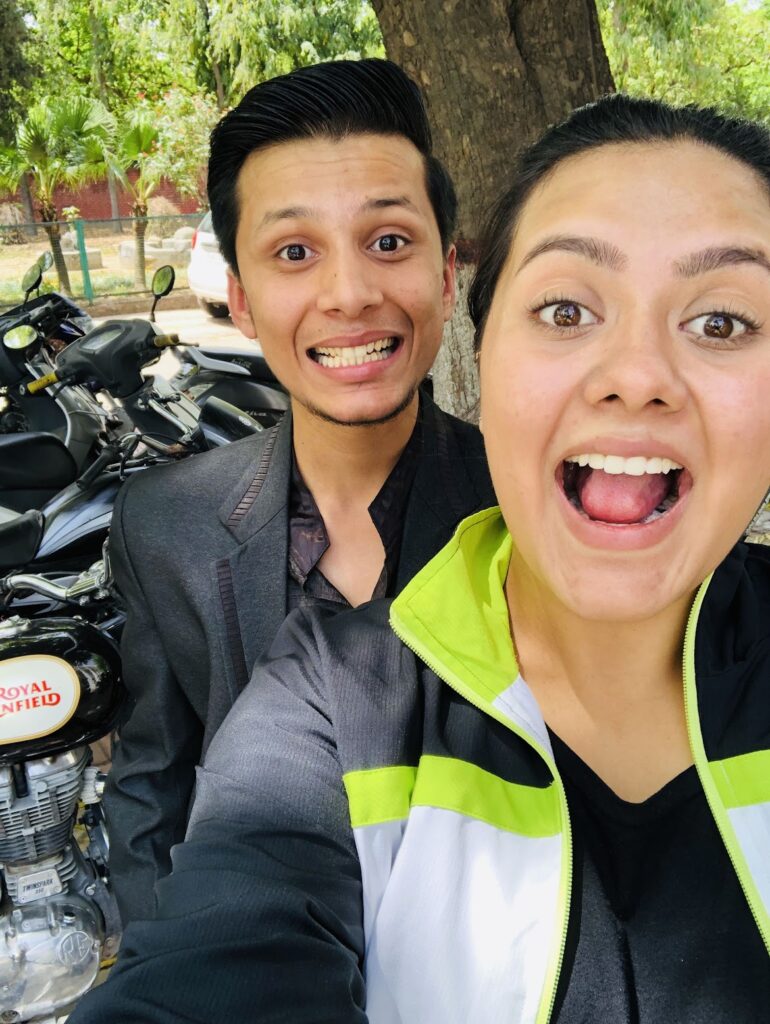
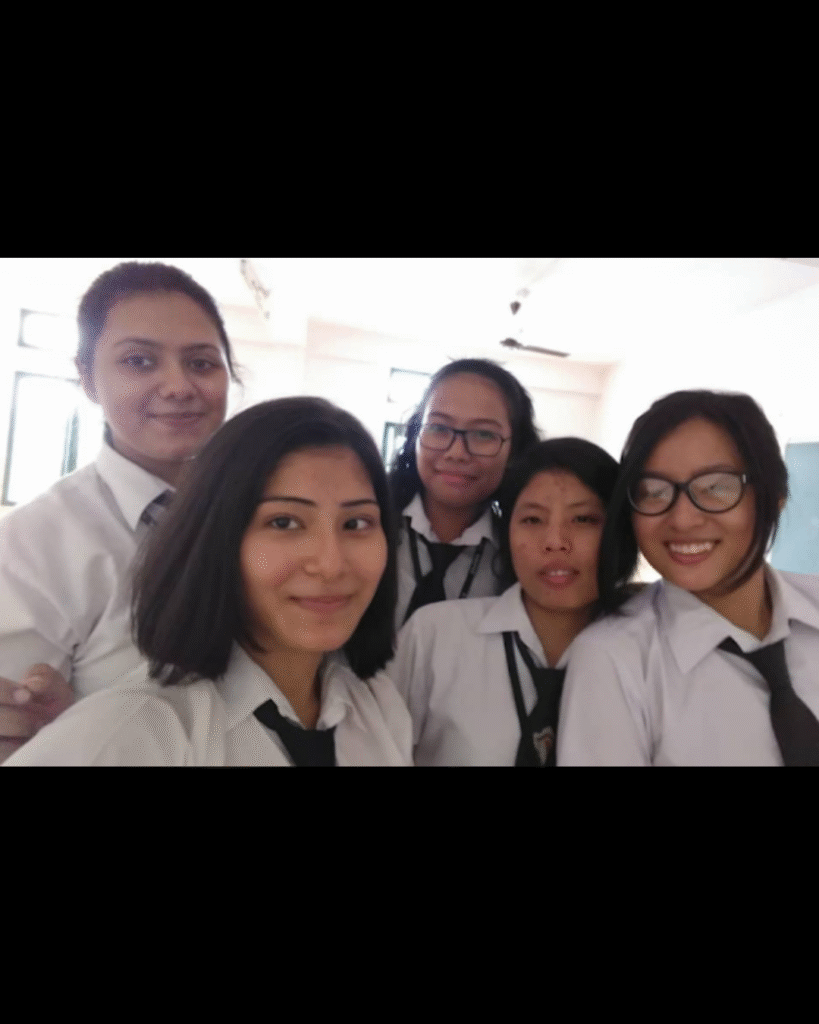

We never had a ritual for settling in… unless you count the joy of exploring. Long before our stuff arrived, my family would set out together, sometimes all four of us squeezed onto a scooty, discovering new lanes, bakeries, temples, and schools. We called it “getting to know our city.” That instinct… to explore before we settle; has never left me. It’s how I approach people, work, and life itself: curiosity first, comfort later.
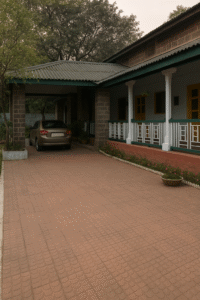

Still, the hardest part of being an “army brat” wasn’t the packing. It was the uncertainty. You never knew where you’d be next, which school you’d attend, or when your father would leave again for months. We’ve lived in tin-shed houses in the deserts of Jaisalmer to a beautiful british bungalow in Pune; calling them home with a pride that defied logic. You learn early that stability isn’t about walls or addresses… it’s about resilience. It’s about being able to close your eyes and still feel at home within yourself.
That kind of adaptability becomes your quiet armor. During my MBA, right in the middle of the pandemic… when everything moved online and people struggled to connect through screens, I found it oddly natural. I was used to new beginnings, to walking into unfamiliar rooms and making them mine. Over time, that comfort with change became one of my greatest strengths… in classrooms, in workplaces, and in leadership.
Living across states and cultures taught me how differently people see the world. In Nagaland, gentleness was strength. In Punjab, openness was. I learned to listen before leading, to observe before speaking… and in that, I found the balance between empathy and direction. It’s why, even today, I see leadership not as command, but as understanding.
So, what does finding calm in chaos mean to me?
It’s not about silencing the noise. It’s about knowing that the water will ripple… and that it’s meant to. You find calm not by escaping the motion, but by trusting its rhythm. Once you trace the source of the disturbance, once you breathe through it, you begin to notice… the water always settles back to stillness.
That’s the quiet truth of a life built on movement: every bit of chaos teaches you where to find your calm.